
Introducing standalone mode for TouchDIVER Pro:
full haptic immersion, no PC required
The TouchDIVER Pro introduces standalone functionality, enabling users to access its main features directly through their VR headset without requiring a PC connection. This new capability enhances portability and simplifies deployment, making haptic experiences more accessible across different contexts and environments.
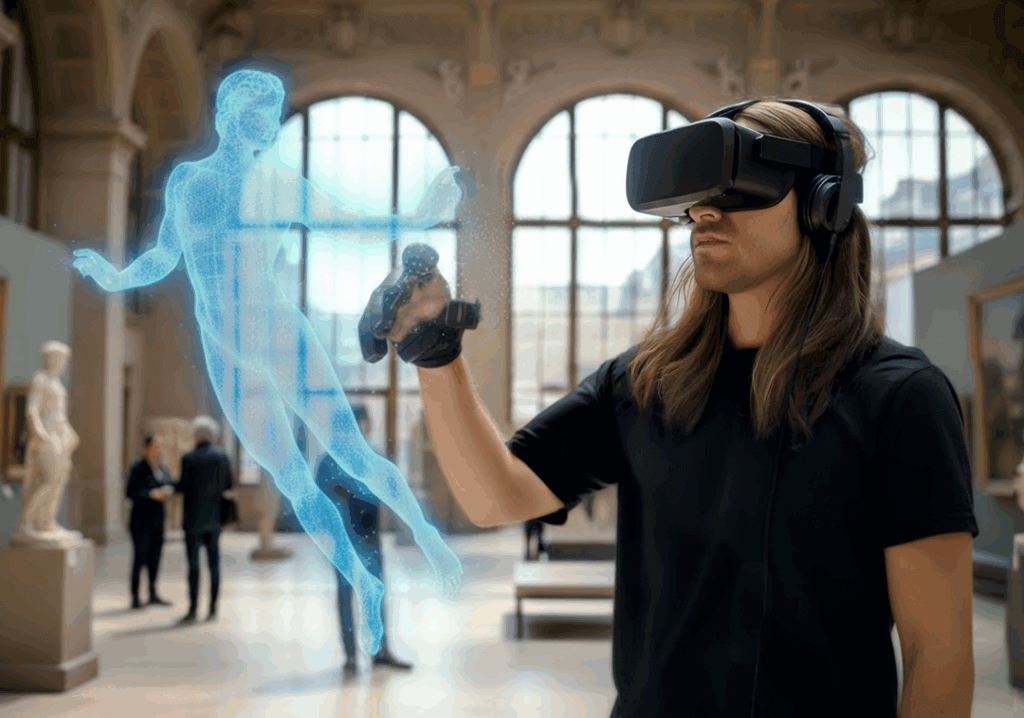
1. Standalone integration
In standalone mode, the complete experience runs directly on the headset. Once the TouchDIVER Pro gloves are connected, users can immediately access immersive applications wirelessly and without external hardware. This streamlined setup makes it easier to deliver haptic solutions in training, simulation and entertainment scenarios, where mobility and efficiency are key.
2. SDK and development
Developers can take full advantage of standalone functionality through our SDK, which provides a straightforward integration path for building and deploying haptic content. Currently, standalone development is supported in Unity, offering the right balance of performance and flexibility for Android-based systems. At this stage, Unreal Engine is not supported for standalone applications, as it is primarily optimized for high-end PC-based systems requiring greater processing and graphical power.
3. Android-based architecture
The TouchDIVER Pro standalone mode is built on an Android-based platform, enabling the creation of native Android applications that seamlessly incorporate haptic feedback. Communication between the headset and gloves takes place via Bluetooth, ensuring a stable, low-latency connection that preserves the quality and responsiveness of the haptic interaction.
4. Compatibility
Our SDK ensures broad compatibility across major standalone VR headsets based on OS Android. This approach gives developers the flexibility to design applications that can be easily adapted and deployed across different hardware platforms.
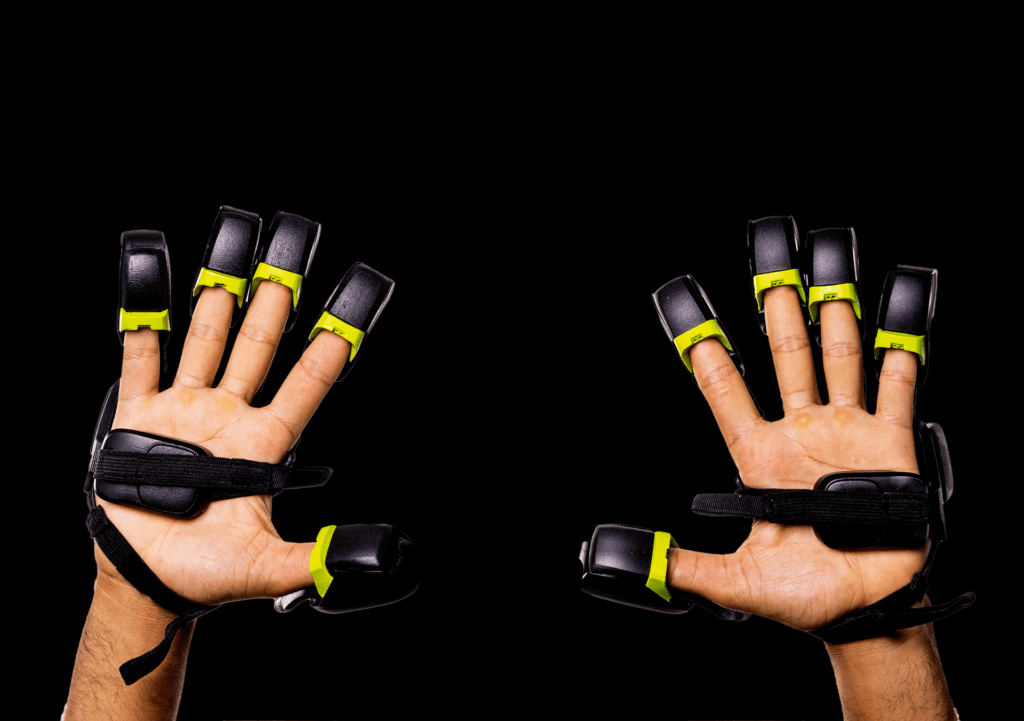
With the standalone functionality, the TouchDIVER Pro brings true independence to haptic VR. By combining wireless freedom, Android-native development, and cross-platform compatibility, it enables developers and users to explore a new level of immersive interaction, where the sense of touch can be experienced anywhere, without limits.